Bulging & Herniated Disc Chiropractor in Murray, UT
Non-surgical disc pain relief with adjustments and spinal decompression
Non-surgical disc pain relief with adjustments and spinal decompression
A bulging or herniated disc can create sharp low back pain, sciatica, neck pain, or radiating numbness that makes it hard to sit, stand, sleep, or work normally. Mecham Chiropractic provides non-surgical chiropractic care for disc-related problems in Murray, UT — focused on reducing nerve pressure, restoring disc health, and getting you moving without the risk and recovery time of surgery.
Dr. Cody Mecham evaluates each disc case with a thorough examination to understand exactly where the disc is causing problems and which approach — adjustments, spinal decompression, or a combination — is most appropriate for your specific situation.
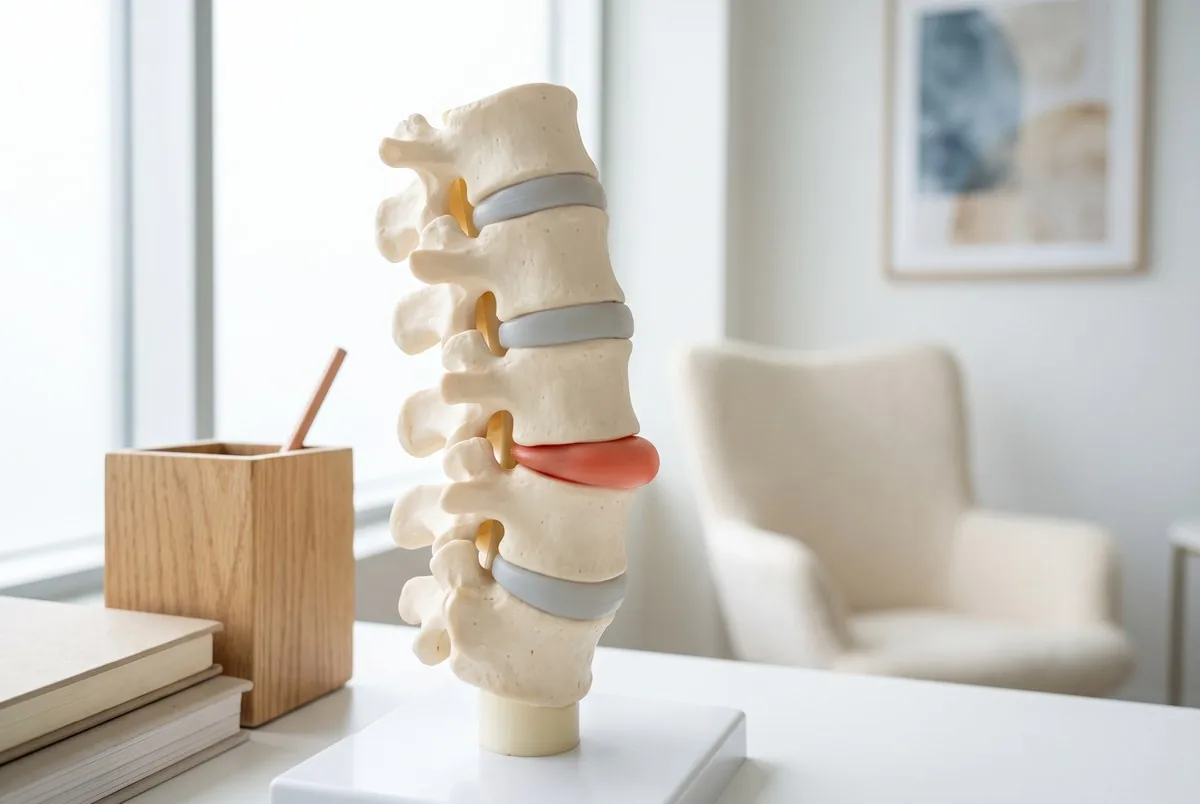
These terms are often used interchangeably but describe different stages of disc injury:
Chiropractic care for disc injuries works by addressing the spinal mechanics that are loading the disc and compressing nearby nerves. When spinal joints are restricted or misaligned, the disc absorbs uneven stress. Restoring proper joint motion reduces that load and gives the disc a better environment to heal.
Treatment at Mecham Chiropractic for disc cases typically includes:
Spinal decompression therapy is one of the most effective non-surgical options for herniated discs. The therapy uses a specialized table to apply gentle, computer-controlled traction forces to the spine. This creates a negative pressure inside the disc, which helps retract the herniated material and encourages nutrient and fluid flow back into the disc.
Most spinal decompression sessions take 15 to 20 minutes and are painless. Many patients notice a gradual reduction in radiating symptoms (sciatica or arm pain) as the disc pressure decreases over a course of treatment. See the full spinal decompression page for more detail on what to expect.
Surgery for a herniated disc is usually considered only when conservative care has failed, or when there are neurological red flags such as significant leg weakness, loss of bladder or bowel control, or rapidly progressing symptoms. Most clinical guidelines recommend at least 4 to 6 weeks of conservative treatment before surgical evaluation. Dr. Mecham will refer you for imaging or specialist evaluation if your exam findings warrant it.
Our Murray office is convenient for patients from Holladay, Millcreek, Midvale, South Salt Lake, Cottonwood Heights, Sugar House, and the greater Salt Lake Valley who are dealing with disc pain and want to explore non-surgical options first.
Book a Disc EvaluationThis page supports patient education on non-surgical disc care. It is reviewed against the site's editorial policy, connects to Dr. Cody Mecham's background, and is paired with supporting content on chiropractic for bulging and herniated discs.
A bulging disc extends beyond its normal boundary but the outer layer stays intact. A herniated disc means the inner gel material has pushed through a crack in the outer layer. Both can press on nearby nerves and cause pain, numbness, or radiating symptoms.
Chiropractic care cannot reverse disc damage, but it can significantly reduce pain and improve function by reducing nerve pressure, restoring spinal motion, and supporting the disc's natural healing process. Spinal decompression is often combined with adjustments for better outcomes.
Most patients with a bulging or herniated disc notice meaningful improvement within 4 to 8 weeks of consistent chiropractic care. Severity, duration of symptoms, and lifestyle factors all affect recovery speed.
Yes. Spinal decompression gently stretches the spine to reduce disc pressure and create negative intradiscal pressure, which helps draw the disc material back toward center and promotes nutrient flow into the disc. It is a well-supported non-surgical option for disc-related pain.
Most herniated disc cases respond well to conservative care including chiropractic, and surgery is typically a last resort. A chiropractor can evaluate your case and refer out if imaging or red flags suggest a surgical consult is needed. Starting with non-surgical care first is recommended by most clinical guidelines.
Common signs include sharp or burning low back pain, sciatica (pain radiating down one leg), numbness or tingling in the leg or foot, and weakness in the leg. Symptoms often worsen with sitting, bending forward, or prolonged standing.
Small bulging discs can improve over time with proper movement and load management. However, without addressing the underlying spinal mechanics that caused the disc to bulge, the problem often returns. Chiropractic care helps restore normal motion and reduce the factors that keep the disc under stress.
Mecham Chiropractic is a cash-pay practice and does not accept health insurance. We accept HSA and FSA cards, and auto insurance PIP for car accident-related disc injuries. Transparent pricing is available before your first visit.