Concussion Chiropractor in Murray, UT
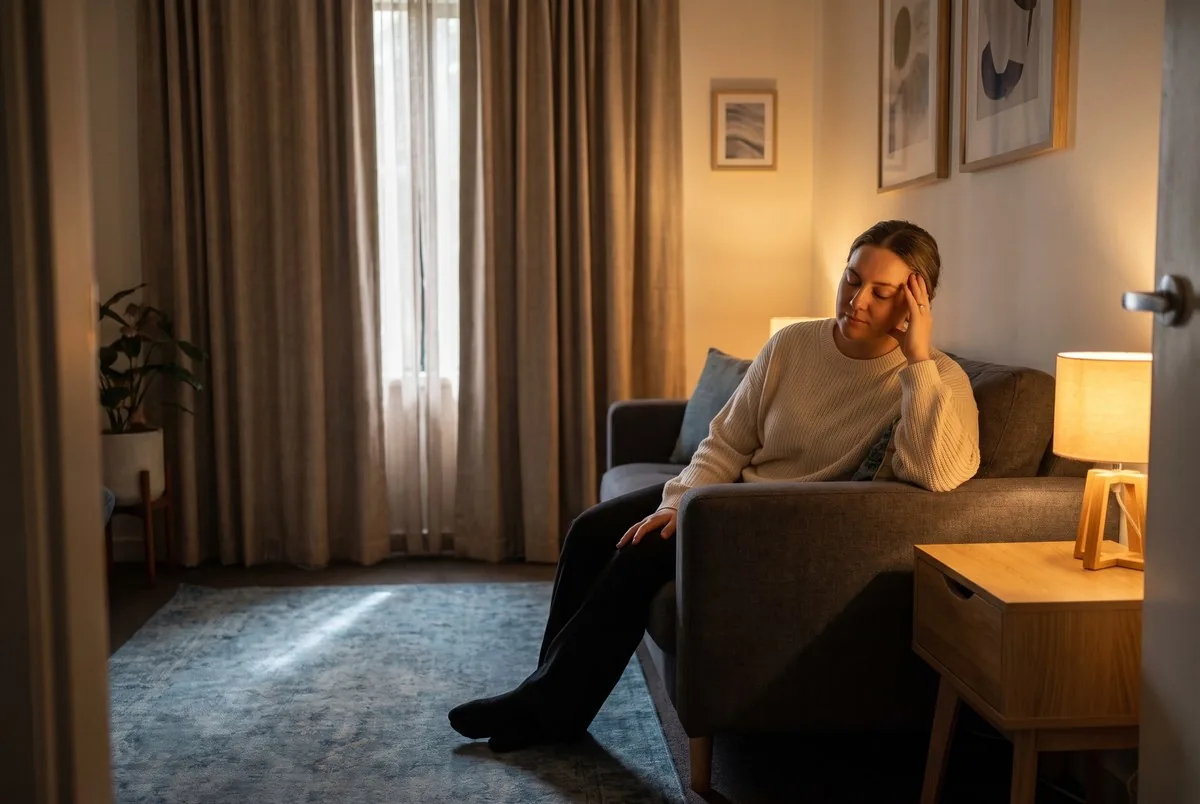
Post-concussion headaches, dizziness, and neck pain — certified concussion care
Post-concussion headaches, dizziness, and neck pain — certified concussion care
A concussion does not always resolve on its own schedule. Many people continue experiencing headaches, dizziness, neck stiffness, and brain fog for weeks after the initial injury — a condition known as post-concussion syndrome. At Mecham Chiropractic in Murray, Dr. Cody Mecham addresses the cervical spine and musculoskeletal components that often drive or prolong these symptoms.
Dr. Mecham holds ACBSP Concussion Registry certification and CDC Heads Up provider training — specific credentials that prepare him to recognize concussion-related red flags, evaluate the cervical spine's role in ongoing symptoms, and coordinate care with other providers when needed.
Many concussion-related symptoms — particularly headaches and dizziness — have a significant cervical component. When the head is impacted or rapidly decelerated (such as in a car accident or sports hit), the cervical spine absorbs the same forces. Joints become restricted, muscles go into protective spasm, and the upper neck can create referral patterns that look like concussion symptoms.
This overlap is important because purely concussion-focused care may miss the cervicogenic contribution, and purely orthopedic chiropractic care may miss the neurological context. Dr. Mecham's concussion training helps navigate both.
Not every chiropractor is trained to recognize the signs of concussion or understand when chiropractic care is appropriate versus when referral is needed. Dr. Mecham's concussion registry training and CDC provider certification provide a framework for:
Full credential details are available on the Dr. Cody Mecham certifications page.
Chiropractic evaluation of the cervical spine is generally appropriate once:
Dr. Mecham will screen each patient carefully and communicate with other providers managing the concussion if you are in an active recovery protocol.
Auto accident impacts are one of the most common causes of concurrent whiplash and concussion. Whiplash, headaches, and dizziness from a crash may involve both cervical injury and a mild traumatic brain injury at the same time. Dr. Mecham's training allows him to assess both dimensions and ensure the treatment plan addresses whichever component is driving the ongoing symptoms. Learn more on the auto accident chiropractic page, or, if the collision happened in the city, on the page for our auto accident chiropractor in Salt Lake City.
Athletes recovering from sports concussions benefit from cervical spine evaluation as part of their return-to-play protocol. Restricted neck mobility, headaches triggered by exertion, and residual dizziness can all slow the return to full sport participation. Chiropractic care targeting the cervical spine can accelerate recovery and reduce the cervicogenic load on the healing brain. See also: sports injury chiropractic in Murray.
Our Murray clinic is convenient for patients from Holladay, Millcreek, South Salt Lake, Sugar House, Cottonwood Heights, and the broader Salt Lake Valley who need post-concussion care with a chiropractor who understands both the cervical and neurological context.
Book a Concussion EvaluationConcussion or whiplash? Read the decision guide →
Hurt in a crash? Get a Free PIP Injury Check, $0 out of pocket — we handle the paperwork →
This page supports patient education on post-concussion chiropractic care. It is reviewed against the site's editorial policy, connects to Dr. Cody Mecham's background and concussion certifications.
Yes. Many post-concussion symptoms — especially headaches, dizziness, and neck pain — involve the cervical spine and surrounding structures. Chiropractic care addresses the neck component of post-concussion syndrome, which is a significant and often overlooked contributor to prolonged symptoms.
Chiropractic care is most helpful for cervicogenic headaches, post-impact neck pain and stiffness, dizziness with a cervical component, and restricted movement in the upper cervical spine that persists after a concussion. It is part of a broader management approach, not a standalone concussion treatment.
Timing depends on the severity of the concussion and clearance from the managing physician. Once acute rest is complete and major red flags are resolved, chiropractic evaluation for the cervical spine involvement is appropriate and beneficial for ongoing recovery.
Dr. Cody Mecham holds ACBSP Concussion Registry certification and CDC Heads Up provider training. These credentials support his ability to identify concussion-related red flags, assess the cervical spine's role in post-concussion symptoms, and coordinate care appropriately.
Chiropractic care focused on the cervical spine is generally safe after a concussion, once the acute phase has passed and no structural injuries to the head or cervical spine have been identified. Dr. Mecham screens each patient and adjusts the approach based on current symptoms and clinical findings.
Yes. Whiplash injuries from car accidents commonly involve both the cervical spine and a concussive component. Headaches, dizziness, brain fog, and neck pain after a crash can reflect both conditions simultaneously, which is why a thorough evaluation is important after any significant impact.